
Polar bears have long been one of our most recognizable symbols implemented by climate change activists to motivate humans to take action to mitigate the effects of that phenomenon. A solitary, lonely bear, perched on a small shrinking chunk of ice, while searching for seals, became our mascot for human guilt.
We can end that now. Cancel the protests, disassemble the windmills (we can save the whales, too), and fire up your Hummer again, because, while climate change is not a hoax, it turns out to be a benefit for polar bears, who are doing just fine now in Svalbard, Norway. Finally… Some good news.
According to a recent study, polar bears that reside in the Norwegian arctic area are gaining weight despite shrinking sea ice caused by climate change. These bears are flourishing. They are healthier than ever and have been described as fit and feisty.
This subset of 2,600 Norwegian polar bears has proven that the species is capable of adapting to retreating ice masses by adjusting their diet. As arctic ice has melted, these bears have turned to reindeer, walruses, bird eggs, and other land prey, basically pivoting to a regimen that no longer requires them to venture out on ice floes and dive into freezing waters looking for seals.
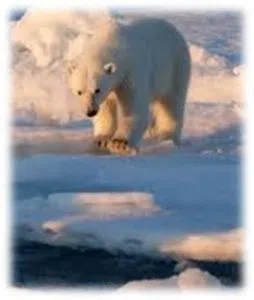
The key here is that these are now “fat bears.” Scientists, who expressed their surprise at the findings, confirmed that, “A fat bear is a healthy bear,” and how can you argue that?
But these bears aren’t just surviving, they are thriving. They are innovating. Previous generations of their species wasted time refining their seal hunting techniques, but today’s innovative bears have implemented new hunting strategies, and embraced new ways to deal with new problems.
They tried reindeer and they liked it. They found a thousand walruses on a beach and saw opportunity. They figured out a way to eliminate the need to navigate chunks of ice and dive into icy waters to find dinner. And you have to assume that eating seal day after day after day must have been monotonous.
And, if you’re a legally protected polar bear, that weighs 1,300 pounds, living in a region where your prey is also protected, and slow, you must wonder why you were always trudging out onto arctic ice in the first place.
Climate change alarmists will argue that polar bears historically relied on sea ice to hunt seals and that the loss of that ice will threaten other animal populations across the Arctic. They will insist that the Svalbard bears are an exception, not the rule, that the Arctic is warming four times faster than the rest of the planet and that sea ice loss is accelerating. Scientists have already cautioned that the polar bear rebound may be temporary, claiming that the bears, at some point, will start losing weight and will struggle to reproduce, threatening their future.
Climate-change-deniers will counter that the world will adjust as it always does. Humans, and apparently polar bears, are inventive, creative, and always adapting. They’ll point out that there are always cynics that find the cloud on every sunny day. Can’t we just take the win? Let’s write the headline now: “Scientists Wrong; Climate Change Useful.” Or “Don Jr. Bags Record Polar Bear in Norway.”
If we got this one wrong, and the dire predictions didn’t play out exactly as expected in one location for one subset of one species over a brief period of years, what else can we cross off the worry list? What else could science be wrong about? Are the flat-earthers right? Could disinfectant injections really combat COVID (DISCLAIMER: Please do not inject disinfectant; it can be dangerous to your health)? Did Neil Armstrong really walk on the moon?
History provides a human lesson, that postponing problems until they are catastrophic is one of humanity’s greatest strengths. Whether it’s severe weather results that threaten ever-increasing catastrophic events, or the eventual collapse of social security, who can’t relate to the thought, “Thankfully, I won’t be around when THAT happens?”
So squint hard and take a look at the one, regional, short-term example of animal adaptation, and let’s call it a global success story.
And, if scientists are right, and eventually these bears begin to decline, maybe they’ll adapt again. If not, aren’t we all trying to drop a couple of pounds anyway?
Curt MacRae is a resident of Coldwater, MI and publishes opinion columns regularly.
To get an email when a column is published, or to offer feedback: rantsbymac@gmail.com




Comments